
Mobile devices are not supported temporarilyPlease go to the PC terminal to use it


 EN
EN IP Deep
 2026-01-13 15:00
 Dynamic Data Center
In recent years, whether it’s data collection, cross-border e-commerce, or large-scale account management, dynamic data center IPs have become an unavoidable topic.
A quick search online shows prices ranging from just a few dollars to several thousand, which can be quite confusing. Some providers charge by traffic usage, while others charge by the number of IPs. Many people want to know: what is the typical price of dynamic data center IPs? Are they worth buying? And how can you purchase them in the most cost-effective way?
Next, we’ll walk you through the market pricing of dynamic data center IPs, how to read quotations, how to avoid common pitfalls, and how to judge whether the cost-performance ratio is truly good.
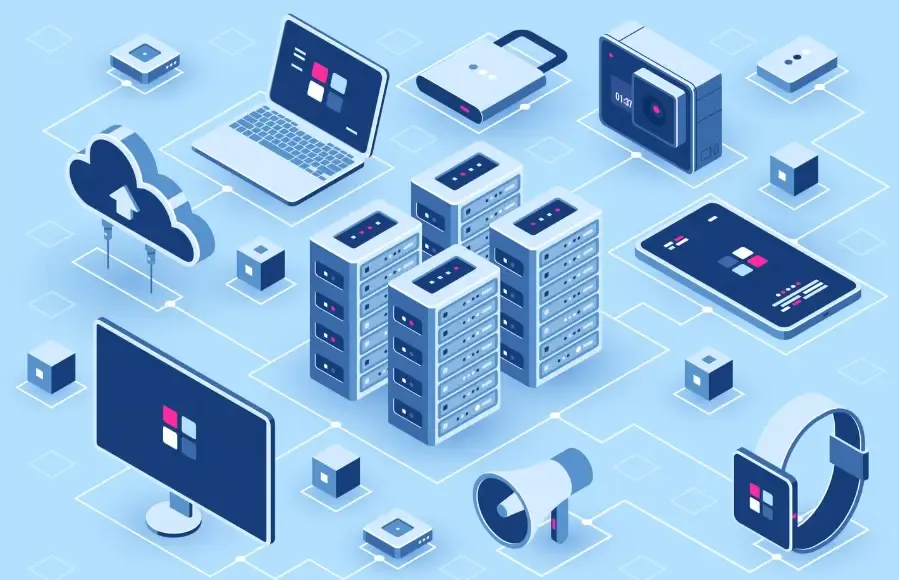
A dynamic data center IP is an IP address allocated from a pool of data center servers. This type of IP has the following characteristics:
• It can be changed frequently, automatically switching to a new IP at set intervals;
• It originates from IDC facilities, offering stronger bandwidth and stability than typical residential IPs;
• It is suitable for high-frequency tasks, large-scale data scraping, and automated access scenarios;
• However, compared to true dynamic residential IPs, the risk of detection or blocking may be slightly higher (mainly due to the distinct characteristics of data center IPs).
In short, dynamic data center IPs are proxy IPs that combine high performance with dynamic rotation, making them ideal for scenarios that require a large number of requests with strong demands on speed and stability.
Dynamic proxy services are usually charged based on traffic usage (GB). Common plans include:
| Plan Type | Price (USD) | Description |
|---|---|---|
| Trial Plan | 1GB ~ $2.00 | For beginners to test |
| Starter Plan | 10GB ~ $11.25 | Small-scale business trials |
| Advanced Plan | 100GB ~ $75.00 | Medium-volume tasks |
| Premium Plan | 500GB ~ $337.50 | Large-scale scraping / testing |
| Professional Plan | 1TB ~ $600.00 | Enterprise-level needs |
| Enterprise Plan | 10TB ~ $5,250.00 | Massive traffic requirements |
It’s important to note that these prices are based on dynamic traffic usage across the entire proxy pool. In other words, you’re not paying for a single IP, but for the total amount of traffic you consume. This pricing model is very common for dynamic data center IPs and dynamic residential IPs that rotate frequently.
Many people wonder after seeing the prices: “Is this expensive? Is it worth it?” Below are some practical evaluation criteria to help you make a rational judgment.
In the proxy market, prices vary significantly depending on the type of IP:
• Residential IPs are usually more expensive (as they are harder to detect and better for high-anonymity scenarios);
• Dynamic data center IPs are typically priced between residential IPs and static data center IPs;
• Some providers charge by traffic unit (e.g., $0.5–$3 per GB depending on bandwidth and quality), while others charge by IP quantity.
Therefore, IPDEEP’s 100GB plan at around $75 (approximately $0.75/GB) is not particularly expensive for large-scale data scraping use cases, and is considered quite cost-effective within the market.
• No matter how cheap the price is, if proxy requests fail frequently, it’s simply a waste of money. According to IPDEEP’s website, their proxy IPs cover over 200 countries with an online rate of up to 99.9%.
• They also provide intelligent IP rotation, which is a core value for large-scale access tasks. The key factor in determining value for money is this: the higher the effective success rate, the greater the value of each GB of traffic.
• Some providers appear cheap but may include hidden fees, minimum usage limits, or forced renewals, which can significantly increase the actual cost.
• IPDEEP’s traffic billing model is relatively transparent: charges are based on actual usage, with no complicated hidden terms—an advantage for budget control.
• For example, whether the service supports country- or city-level targeting, HTTP / HTTPS / SOCKS5 protocols, enterprise-grade encrypted transmission, and fully automated IP rotation.
• These features can save a lot of time and effort in real operations, rather than simply focusing on price. IPDEEP emphasizes these capabilities, which also enhances its overall competitiveness.
Many users struggle with whether to purchase large packages or use on-demand billing.
• For small-scale tasks (such as occasional data scraping), 10–100GB plans are recommended;
• For large-scale scraping or automated systems (with heavy daily traffic), larger plans such as 500GB–1TB are more suitable.
This not only lowers the unit price but also avoids the inconvenience of frequent renewals.
Ultimately, whether dynamic data center IPs are cost-effective is not determined solely by price. What truly affects cost is the success rate, stability, size of the IP pool, and how many effective requests you can achieve per GB of traffic.
If you only use them occasionally, low-cost plans are more than sufficient. For long-term projects or high-frequency access scenarios, choosing a provider like IPDEEP—with transparent pricing, abundant IP resources, and dynamic rotation—can actually save more money and effort.
Finally, one piece of advice: when choosing dynamic IPs or dynamic data center IPs, start with a small test. Run your tasks for a few days, observe the success rate and stability, and then decide whether to scale up. This is the most cost-effective solution for your business.