Mobile devices are not supported temporarilyPlease go to the PC terminal to use it


 EN
EN IP Deep
 2026-01-14 17:00
 mobile-agent
If you’re involved in data scraping, chances are you’ve run into a frustrating problem more than once: low success rates, IPs getting blocked too fast, and poor overall efficiency.
Especially as major platforms tighten their anti-bot strategies, ordinary static IPs or cheap proxy services often don’t last long before getting restricted. That’s why more and more people are turning to mobile proxy IPs.
Next, I’ll combine some real-world experience from data scraping projects to talk about how to genuinely improve the success rate of mobile proxy IPs—and how to push your data collection efficiency to the next level.
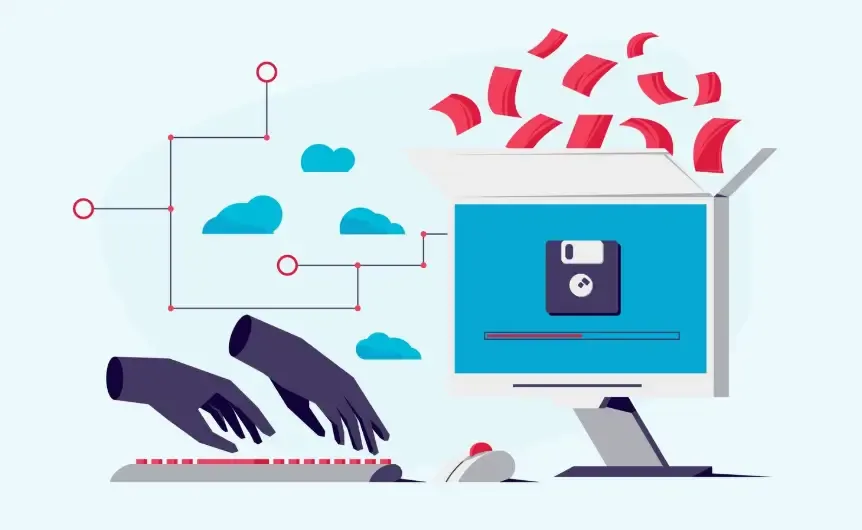
Unlike traditional static proxies, mobile IPs come from real mobile carrier networks (4G / 5G), and their advantages are quite clear:
• The IP looks just like a real user
• The same IP is shared by many users, which means higher risk thresholds
• Automatic rotation with short lifecycles
• Easier to bypass anti-scraping and request rate limits
From the platform’s perspective, blocking a mobile IP may affect a large number of real users, so restrictions tend to be more conservative.
This is exactly why mobile proxy IPs achieve much higher success rates in e-commerce, content platforms, and social media data scraping.
Many scraping failures aren’t caused by technical issues at all—the real problem lies in the proxy source.
The quality of mobile proxy IPs on the market varies dramatically. Some claim to offer mobile IPs but are actually using mixed networks, or have extremely high IP reuse rates.
Using these for data scraping is basically asking for trouble.
That’s why it’s crucial to work with a reliable proxy provider, such as IPDEEP. The reasons are straightforward:
• High-purity mobile IPs with broad carrier coverage
• Fast IP rotation and low duplication rates
• Good stability, making long-running tasks less prone to disconnections
Established providers like IPDEEP are simply more reliable in real-world scraping scenarios. At the very least, you won’t get blocked right away—and the difference in success rates is noticeable.
This is one of the most common mistakes beginners make. Even with mobile proxy IPs, overly aggressive request rates will still trigger risk controls.
Today, platforms look beyond IPs—they focus on whether access behavior resembles that of a real human.
Practical tips:
• Keep per-IP request frequency within normal user ranges
• Add reasonable delays (1–3 seconds is common)
• Avoid burst traffic in short time windows
Remember this: slower is often faster. Once your success rate improves, overall volume naturally follows.
Many people use mobile IPs but still rely on outdated rotation methods, which wastes their potential. A better approach includes:
• Automatically rotating mobile IPs by request count or time
• Using fresh IPs for critical pages
• Separating IP pools for different scraping tasks
Mobile proxy IPs from IPDEEP support high-frequency rotation by design, which is a big advantage for large-scale data scraping. When used properly, smart rotation can significantly reduce blocking risks.
Modern anti-bot systems no longer rely solely on IP checks—they analyze behavior patterns as well.
If your scraping behavior looks too “robotic,” even the best mobile IPs will be flagged. Focus on these details:
• Randomize User-Agent strings
• Load page resources naturally
• Simulate realistic browsing paths
• Avoid entering from the same entry point every time
These details may seem minor, but in real-world scraping projects, they make a noticeable difference.
Finally, something many people overlook: even the best mobile proxy IPs need regular quality checks, such as:
• Response speed
• Success rate
• Whether the target site has restricted access
It’s recommended to set up a simple monitoring system and remove low-quality IPs promptly.
Over time, your entire scraping system will become much more stable.
Improving data scraping success rates is never about “luck”—it’s about building a solid, well-thought-out approach. Mobile proxy IPs can indeed solve many IP blocking issues, but only if they’re used correctly.
Choose a reliable provider (such as IPDEEP), control request frequency, rotate IPs wisely, and mimic real user behavior—and your success rates will naturally rise.
If you’re working on a long-term data scraping project, instead of constantly switching solutions, it’s better to fully commit to optimizing your mobile IP strategy. Step by step, you’ll notice that scraping becomes more stable, blocks become less frequent, and efficiency improves as a result.